

Fibroblast Scar Rejuvenation Gallery
$$MultiPurposeText$$
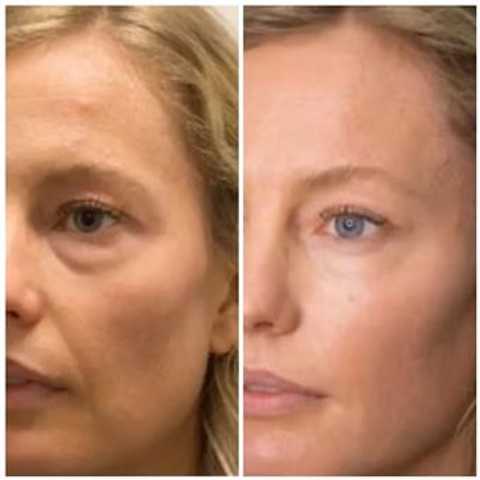
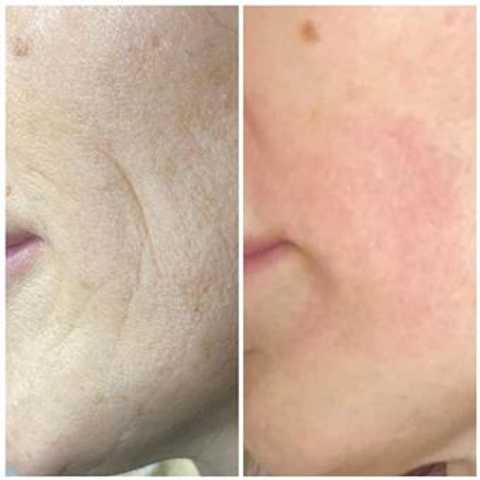
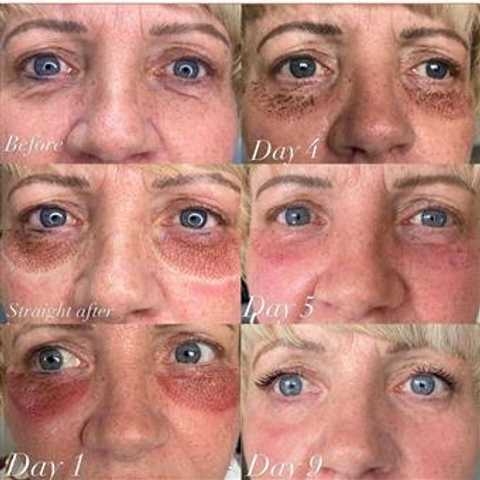
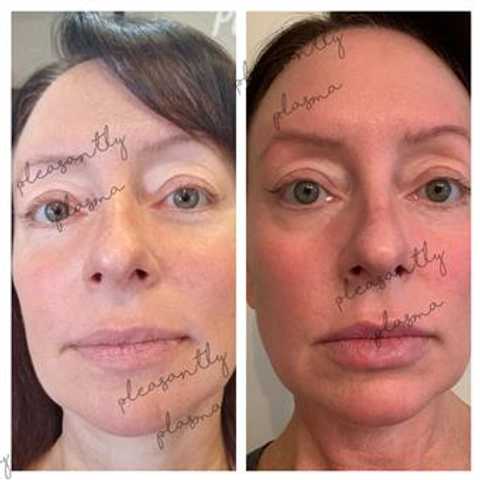
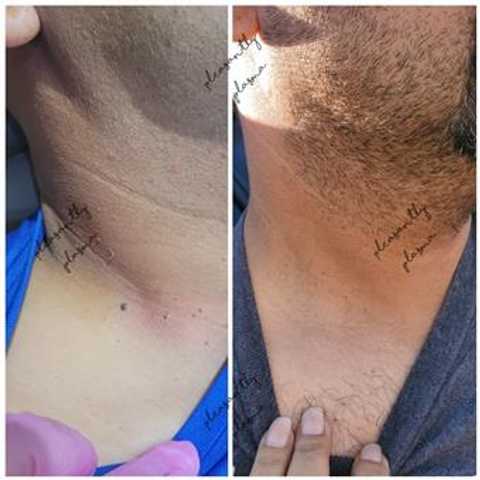
See examples of our Fibroblast Scar Rejuvenation work and results.








What Our Clients Say
$$MultiPurposeText$$
Read testimonials from our satisfied customers

Great experience, Kathy was awesome and took off so many moles and skin tags for me. Her ...more

Kathy is awesome! She’s so professional knows her stuff and puts you completely at ease. I...more

Kathy was amazing, she did my under eyes and they look wonderful. She also took a huge mo...more

...more
Frequently Asked Questions
Get answers to common questions about Fibroblast Scar Rejuvenation.
The number varies by scar depth, age and response. Most clients require 2–4 sessions spaced 8–12 weeks apart. Your practitioner will assess progress and recommend further treatments if necessary to achieve optimal scar softening and texture improvement.
Most clients experience a warm, tingling sensation; discomfort is typically mild. Topical numbing is applied to improve comfort. Aftercare reduces irritation; complete healing may cause redness or scabbing for several days to weeks depending on depth and area treated.
You can expect gradual scar flattening, reduced discoloration and improved texture over weeks to months. Results are progressive and may require multiple sessions; some scars significantly improve while others may only partially lighten depending on individual healing and scar characteristics.
Common short-term effects include redness, swelling, scabbing and mild sensitivity at treated sites. These usually resolve within 7–14 days; pigment changes or prolonged redness are possible, especially in darker skin tones. We provide aftercare guidance to minimise risks.
Ideal candidates are non-pregnant adults with stable medical histories seeking scar improvement. It suits those with mature or recent scars of varying depths; darker skin may need patch testing. A consultation ensures suitability and realistic expectations before treatment.
Avoid sun exposure, tanning and blood-thinning medications before treatment. Follow cleanser and moisturiser recommendations; apply prescribed ointments and sunscreen after sessions. Keep treated areas clean, avoid picking scabs, and attend follow-up appointments for optimal healing and best results.